
PHOTO
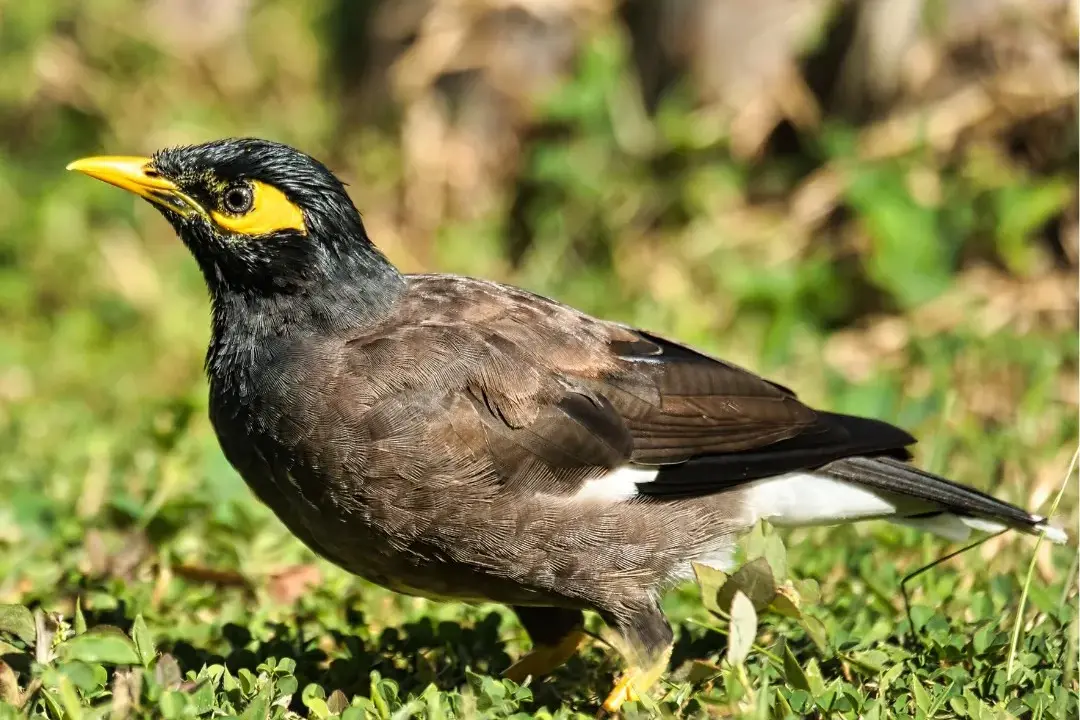
Indian (Common) Myna are considered one of the world’s most invasive species and a threat to our native wildlife.
Until recently, these birds were rarely seen in the Weddin Shire; however, large flocks are now being reported across the district. It is this influx that has sparked Weddin Landcare’s community awareness and trapping program.
Indian Myna (not to be confused with the native Noisy Miner) are aggressive birds that can displace native wildlife and pose a potential health threat.
They are notoriously messy birds and play host to parasites, mites and avian disease (some of which may be communicable to humans). Indian Myna displace native animals by evicting other creatures from their nests and eating the eggs of native birds.
Weddin Landcare has taken the initiative to encourage the reduction of these birds before the population is beyond control through community volunteer trapping. With assistance from Weddin Shire Council, they will also implement an educational campaign across the Weddin Shire to raise awareness of this pest bird and how community members can help to deter Indian Myna or reduce their numbers.
“We have had a great response to our Peegee traps so far, with all six traps purchased within the first week, we have had to start a wait list! Ideally, we would love to have the next round of traps made locally,” Melanie Cooper, Local Landcare Coordinator for Weddin Landcare, said.
Peegee traps consist of a smaller entry (feeding) chamber and a larger main (containment) chamber. Once the birds make it to the large chamber, the angling at the end of the tunnel makes it difficult for Mynas to reverse their journey.
The Peegee traps were supplied through the Dubbo Environment Group who have been running an Indian Myna Control Program since 2022. The program has been hugely successful with over 8000 Indian Myna trapped and culled since its inception.
A requirement of the trapping initiative is that numbers are reported back monthly. This data monitors the success of the program and helps with securing future funding, namely subsidised traps for community members.
“If trapping isn’t your thing, there are heaps of passive ways to deter Indian Mynas such as limiting access to easy food sources like dog and cat food, reducing nesting opportunities and replacing thick foliaged exotic vegetation with local native plant species,” Melanie said.
High densities of Indian Myna are encouraged by easy access to ‘free food’ in the urban environment such as leftover pet food, seed in bird feeders, uncovered compost and garbage bins, grain spills as well as human food scraps being left around outdoor eating areas.
Clearing of vegetation resulting in open spaces and the replacement of native plant species with exotic plants that have denser foliage, such as palms and conifers, also favours the establishment of Indian Myna.
The first round of Peegee traps are sold out. If you would like to register your interest in purchasing a trap, or you are interested in producing the traps locally for a reasonable cost, contact weddinlandcare@outlook.com or call 0493 416 442.
You can find more information on the project at weddinlandcare.com.au/indian-myna-control-program/