PHOTO
For women in Grenfell, access to a female General Practitioner (GP) for their health and wellbeing has not always been guaranteed and for some that has meant putting off important health checks or sometimes going without care altogether.
Rural Doctors Network have said access to a female GP to discuss gender-specific health issues is highly valued and can play a significant part in a patient's willingness to seek medical or preventative care.
However despite this need, for many women living in rural and remote towns, having access to a permanent female GP working in the region can be difficult or simply isn’t an option.
This can lead to a reduction or refusal of preventative screening, diagnoses not taking place at all, or treatment options not being followed through.
Rural Doctors Network, for the last 10 years, secured funding under the Rural Health Outreach Fund (RHOF) to contract the Royal Flying Doctors Service (RFDS) for the delivery of a female GP outreach service.
The service is delivered in identified communities where there is limited access to a female GP or women's health service delivered by a female nurse/practitioner.
These communities include Grenfell, Brewarrina, Hillston, Rylstone, Lightning Ridge and Warren.
Rural Doctor Network senior coordinator for health access services Sally Brugger said the service fills a critical gap.
"This service is so important and so valued by the women who access it," she said.
"It allows women to feel safe and supported to access the healthcare they need locally by a female GP, should that be their preference."
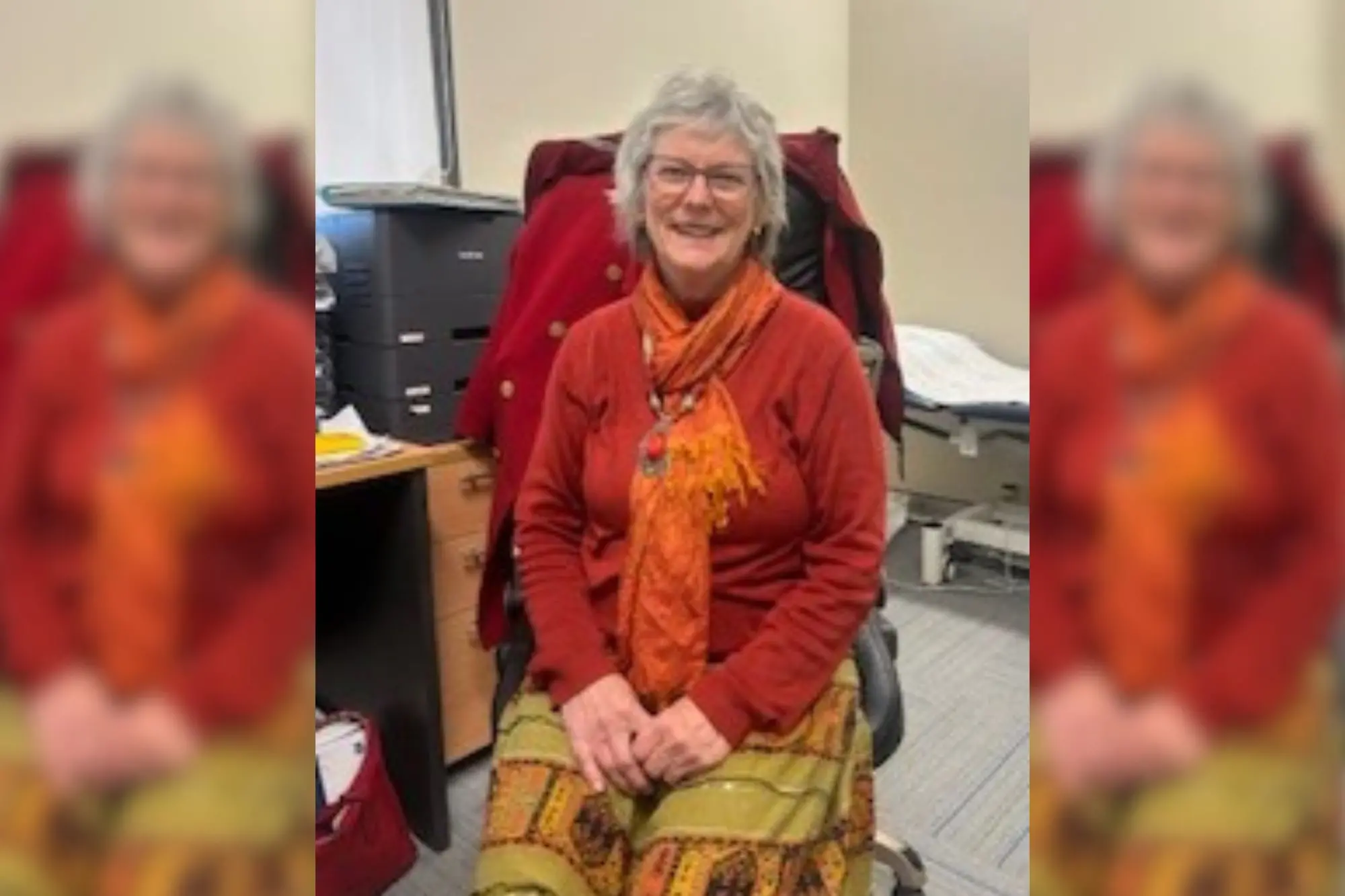
For Grenfell that GP is Dr Claire Cupitt who has been travelling to Grenfell since 2019, long before formal funding support was in place.
"I was already working in Forbes occasionally and could see that there was a need," Dr Cupitt said.
"I actually paid my own way to come out initially because it just seemed important that the service was there."
Now visiting regularly each month Dr Cupitt said the demand for a female GP in Grenfell is still strong.
"I still have women come in and say, 'I didn't know you were here'.
"And others who have put off dealing with personal health issues for years because they didn't feel comfortable seeing a male doctor."
She said having the option of a female GP can make a significant difference, not just for early diagnosis but for overall wellbeing.
"A lot of it is about quality of life," Dr Cupitt said.
"Yes, you pick up important medical issues but it's also about helping people feel comfortable, managing pain and just coping better day to day.
"Rural towns are underserved by general practice, they don't have enough general practitioners and you have to wait longer.
"The female side of things, there is a lot of female medicine that's private and personal and females will put up with a lot before or without asking so they will suffer in silence for a long time."
In addition to women's health Dr Cupitt also treats patients with chronic pain, using acupuncture techniques with painless laser (red light) which she began studying in recent years.
"Its been remarkable what a difference it can make.
"Sometimes very simple treatments can significantly reduce pain and improve someone's life."
Dr Cupitt now incorporates acupuncture into many of her consultations and said it has been especially valuable in rural areas where access to alternative treatments can be limited.
Dr Cupitt is now based near Goulburn and despite the long travel and busy workload she said it's the patients who keep her coming back.
"You do get people saying, 'we're so glad you're here, please don't stop coming'," she said.
"That's what makes it worthwhile."
Dr Cupitt believes more awareness is needed for the service female GPs are providing in rural towns and there are still people who don't realise the services exist.
"My books are open and I always try to keep a few spots free when I'm in town (Grenfell)," Dr Cupitt added.
Dr Cupitt is based out of the Main Street Medical Centre.