
PHOTO
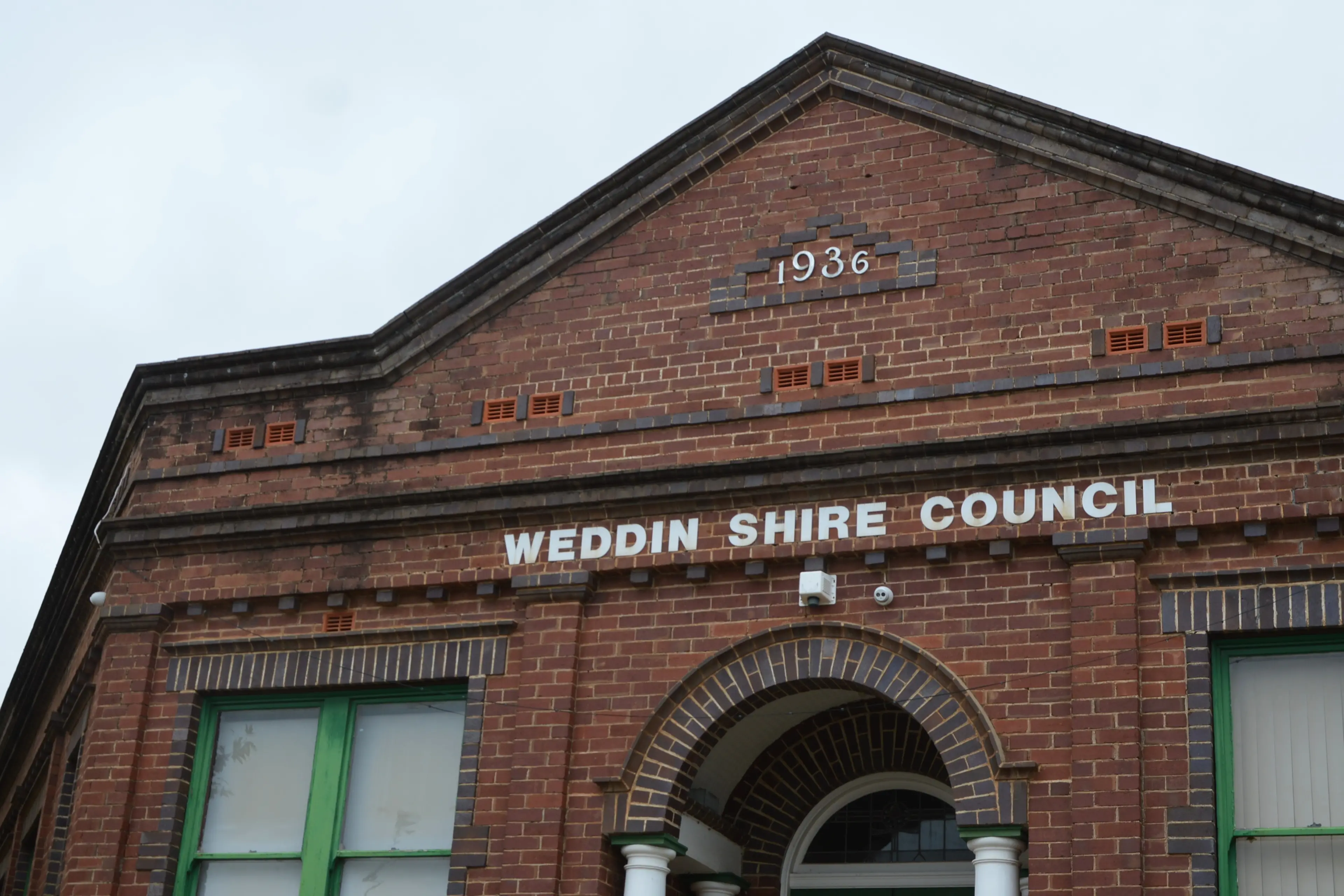
Weddin Shire Council says a recent screened sewage bypass at Grenfell's Sewer Treatment Plant was caused by an intense rainfall event that overwhelmed the facility, with councillors now calling for additional funding to address a longstanding problem.
The issue was discussed at the council's Ordinary Meeting on 16 July, following a significant storm event on 1 July that delivered 36mm of rain and resulted in a 95-minute screened bypass at the treatment plant.
Council's report noted that more than 2100 kilolitres of inflow entered the system during the event, prompting emergency responses including manual pump operation, use of a standby generator and notification of the NSW Environment Protection Authority.
Councillor Wezley Makin questioned whether the overflow was caused by stormwater entering the sewer network from residential properties or whether the plant itself simply lacked sufficient capacity to cope with the volume of water.
Director of Infrastructure Services William Manners said the rain event occurred very quickly and overwhelmed the plant's capacity.
"What happened was we had a significant rain event with rain coming very quickly. It did overwhelm the capacity of the plant," he told the meeting.
Mr Manners said the problem was not new and had occurred before during major rainfall events.
"We are waiting now for the report and feedback from the EPA, but it's directly linked to the capacity of the plant and simply being overwhelmed by the amount of water that happened in such a short time," he said.
Council has already carried out water quality testing and public notifications following the incident and is awaiting any further recommendations from the EPA.
Mayor Paul Best said stormwater entering the sewer system remains a significant contributor to the problem.
"We do have a bit of a problem with stormwater ingress into the treatment plant, especially during rain events," he said.
The Mayor acknowledged that some water entering the system comes from private properties where stormwater is incorrectly connected to sewer infrastructure, while other issues stem from ageing infrastructure such as inspection vents that sit below ground level and allow water to enter the system during heavy rain.
"We've got a variety of issues that help add to the problem. But each one of them has a cost to fix and they've been there for a very long time," he said.
Council is continuing an inflow and infiltration reduction program across the sewer network, including smoke testing, CCTV inspections and planned sewer relining works.
Recent investigations have identified defects in around 75 per cent of the network inspected, highlighting the scale of the challenge.
The 2026-27 budget includes $180,000 for sewer relining and a further $50,000 for CCTV investigations.
Mayor Best said external funding would be critical if Council is to tackle the issue effectively.
"EPA has been very helpful with some funding for us for different things. This is one of the areas where it would be terrific if we could find some funding to deal with this," he said.
He also suggested future programs could potentially help residents rectify stormwater connections on private properties, reducing pressure on the sewer network during extreme weather.
The July incident has since been closed operationally, with council reporting that the treatment plant returned to normal operation within days and no public complaints were received.
Council is now awaiting the EPA's final assessment and any further corrective actions that may be required.