
PHOTO
Preparing for drought is not just about supporting farmers. It's also about making sure local businesses can weather tough times and keep rural communities thriving.
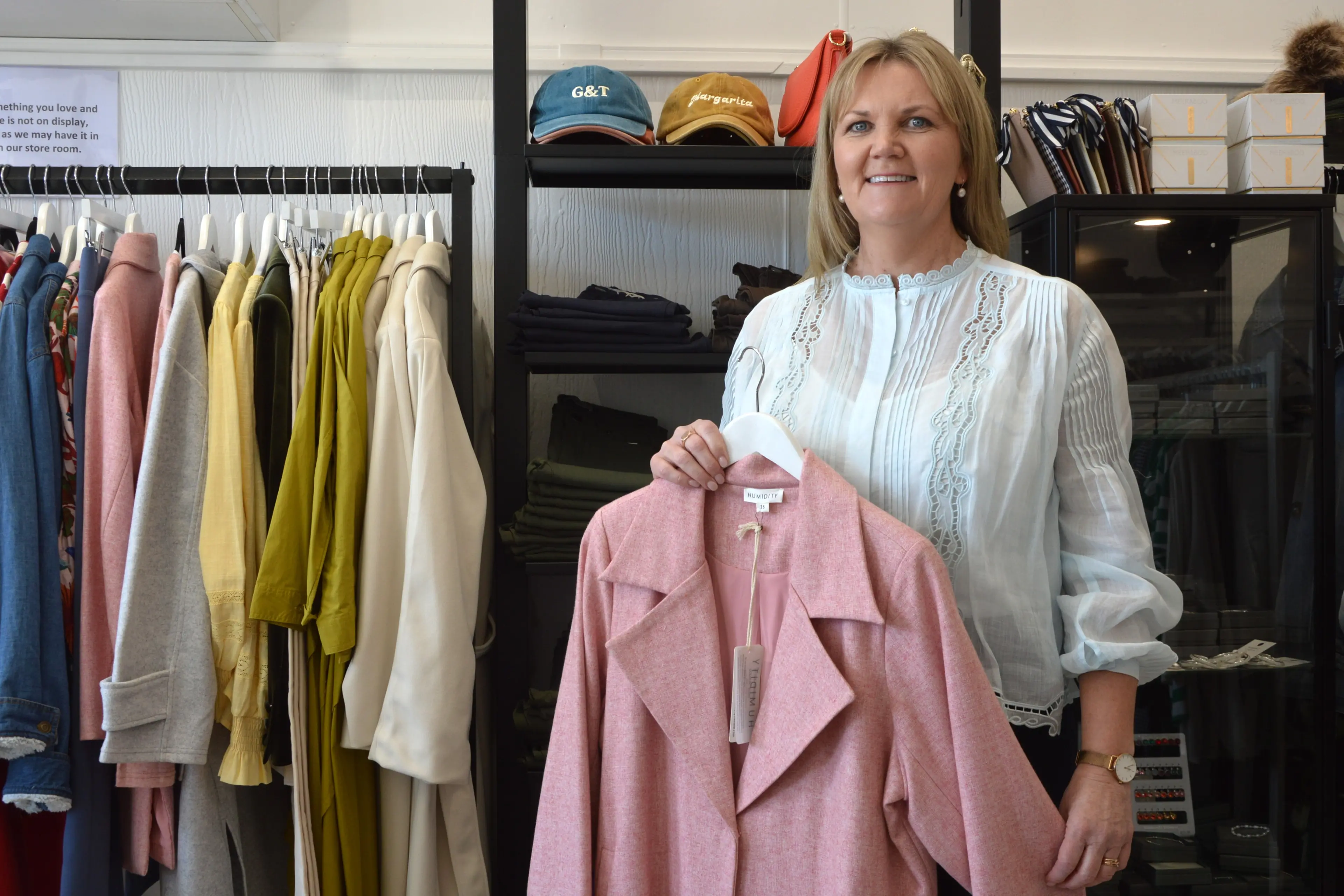
That was the message from Grenfell business owner Tammy Beasley as Weddin Shire hosted the completion event for the Central West Regional Drought Resilience Plan at her business, Scope Clothing.
The plan, developed by Weddin, Cowra, Cabonne, Orange and Blayney councils, recognises that drought impacts businesses, community groups and local economies long before rain returns.
Tammy said small businesses face challenges every day, and drought adds another layer of pressure.
"I actually haven't experienced the effects of drought yet today, but other challenging things happen in business," she said.
"It's not just preparing for drought. We need all the promotion, all the support. Small businesses are really struggling and we need every bit of help we can get."
For many Weddin businesses, the impacts of drought are often indirect.
When farming families tighten household spending, local retailers, hospitality businesses and service providers can quickly feel the effect.
The Regional Drought Resilience Plan identifies reduced discretionary spending, declining business confidence and lower visitor numbers as recurring impacts during drought periods.
Weddin Shire Mayor Paul Best said one of the strengths of the new plan is that it acknowledges drought affects entire communities, not just those on the land.
"I think it's the first plan that I've seen that actually recognises that drought affects the farming community first, but then from there it affects all the small businesses, all the volunteer groups and even the sporting clubs right through the whole town," Cr Best said.
The plan includes practical resources designed to help businesses prepare before drought conditions emerge, including business toolkits, communication resources and information that can help business owners understand where support is available.
For Tammy one of the most important outcomes is ensuring business owners know they are not facing challenges alone.
"I'm really hoping that businesses feel that they've got the support," she said.
"I think that's crucial to having our doors open."
She believes local support remains vital to the success of small-town businesses.
"I think that we all need to support each other. Everyone needs to shop locally.
"We just need to generate more people coming to town and into our businesses."
That focus on supporting local businesses aligns closely with the plan's economic resilience priorities, which encourage investment in local economies, tourism development and stronger business networks to help communities withstand future droughts.
The Weddin Shire was identified in the plan as one of the Central West areas most vulnerable to drought impacts because of its strong dependence on agriculture and relatively low economic diversity.
Cr Best said working alongside neighbouring councils has helped smaller shires such as Weddin access resources and expertise that might otherwise be difficult to develop independently.
"By having five shires come together, it gives us a bit more capacity that we don't have," he said.
"And it will help businesses and help everybody in the future get through the next drought."
While councils have a role to play, Tammy said business owners should also actively engage with available support programs and information.
"Yes, I think they're ]council is] proactive on trying to help [small businesses]," she said.
"But I think we as business owners need to reach out as well and see the support that they're offering."
The five councils hope the new plan will help businesses and communities prepare earlier, stay connected and emerge stronger when dry conditions inevitably return.
For local business owners like Tammy, that preparation starts with support, shopping local and communities working together long before the next drought arrives.