PHOTO
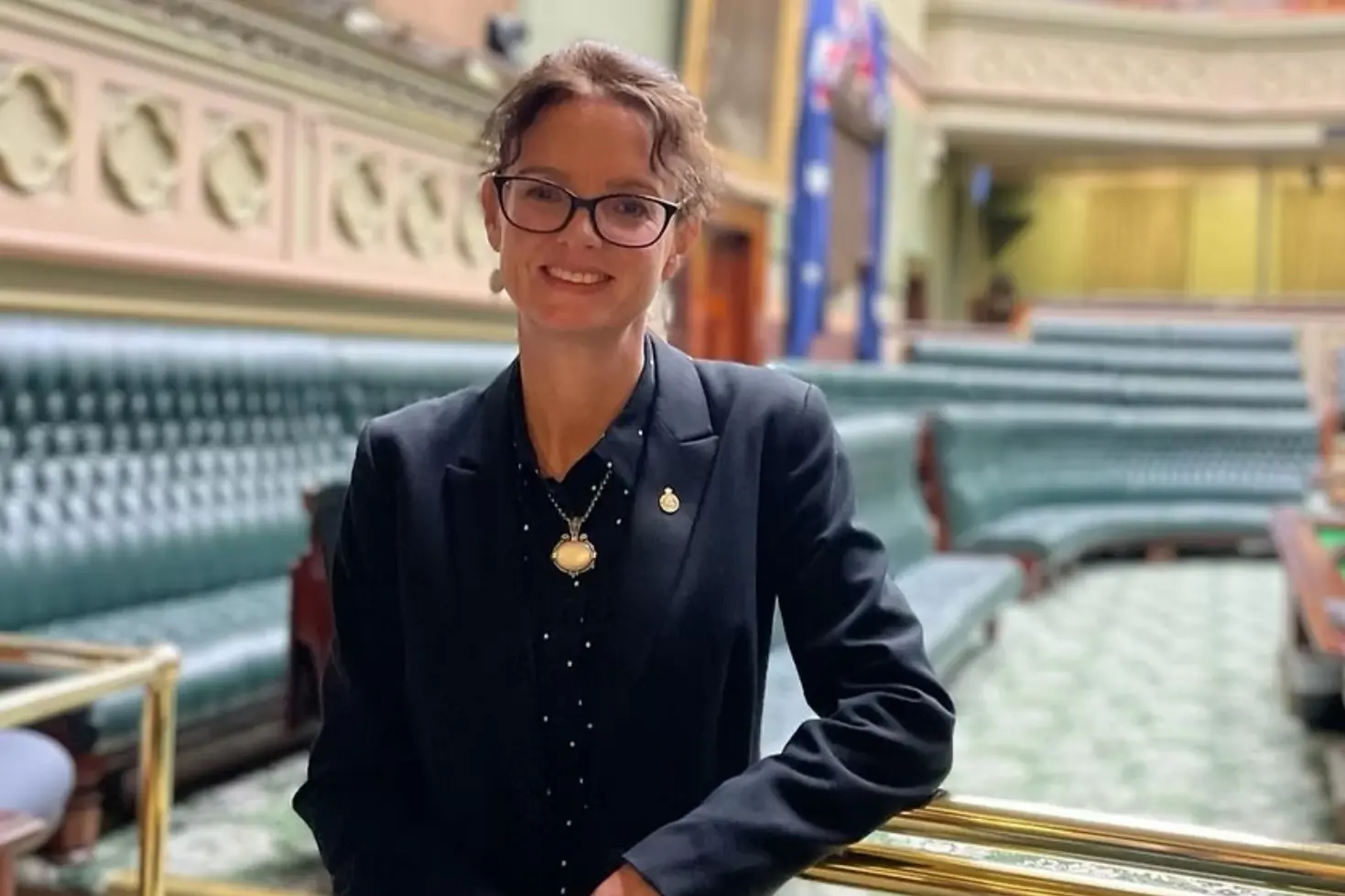
Legislation aimed at improving access to primary healthcare in rural and regional NSW has been supported by Member for Cootamundra Steph Cooke, arguing that country communities deserve the same level of care as their metropolitan counterparts.
Speaking in Parliament during debate on the Health Services Amendment (Right to Primary Health Care) Bill 2026, Ms Cooke said the growing gap between city and country health services was placing enormous pressure on patients, health workers and small communities.
The bill, introduced by Member for Wagga Wagga Dr Joe McGirr, sought to enshrine the right to primary healthcare for people living in regional, rural and remote areas of NSW.
Described as a ‘GP Guarantee’, the legislation aimed to require local health districts to provide appropriate and timely access to in-person primary healthcare services for residents outside metropolitan areas.
Under the bill, primary healthcare was defined as essential services provided by general practitioners, nurses, midwives, pharmacists, allied health professionals and Aboriginal health workers in community-based settings.
The proposed legislation also required consideration of whether healthcare services were available within a two-hour drive of a resident’s home and whether suitable public transport options existed to help patients attend appointments.
Dr McGirr argued the bill would improve health outcomes in country communities while reducing long-term pressure on hospitals and specialist services.
The bill formed part of Dr McGirr’s six-point Rural Health Action Plan, designed to deliver healthcare services in regional NSW comparable to those available in metropolitan areas.
Ms Cooke said the issue was particularly significant in the Cootamundra electorate, which is unique among NSW's 93 electorates because it does not contain a major healthcare centre.
“Cootamundra has 177 small communities, villages and localities relying on outreach for just about everything,” Ms Cooke told Parliament.
“Our largest community is around 8000 people. That is why it is so important to get primary healthcare right. If we can keep our communities healthier for longer, then it will reduce that reliance on our health system in the short and long term.”
She said inadequate access to primary care often leads to worsening health conditions and increased hospital admissions, placing further strain on already stretched rural health services.
“Ultimately, people end up in their local MPS or district hospital, which struggle to attract and retain the healthcare workers that we need,” she said.
Ms Cooke also highlighted the impact that healthcare access has on the future of small towns.
“We can understand why people would look at a town and say to themselves, "As my family and I get older, will this town be able to meet our changing healthcare needs now and into the future?" They will decide where they will live long term based on that assessment.”
“The stronger we can make local primary health care in our small communities, the better our chances of attracting and retaining a wide range of people. It is not just about the need to attract and retain a suite of healthcare professionals, including specialists, doctors, nurses and clinicians.
“It is also about attracting and retaining other people who will choose to retire and spend their days in our communities, which we would really love.”
Despite receiving support from the Opposition and several crossbench MPs, the bill was opposed by the NSW Labor Government.
The government argued that primary healthcare is primarily the responsibility of the Commonwealth through Medicare and private providers, rather than a function of NSW local health districts.
The legislation subsequently lapsed under parliamentary standing orders.
The bill was formally listed to lapse on 19 September 2026, meaning it did not proceed to a vote.
In a statement following the debate, Ms Cooke expressed disappointment that the Government would not support the proposal.
“Regional communities deserve better and our health matters just as much as the health of those living in the city,” Ms Cooke said.
The push for stronger rural healthcare has also attracted support from local government, with Weddin Shire Council resolving earlier this year to back an open letter from Dr McGirr calling for improved access to primary healthcare services across regional NSW.