
PHOTO
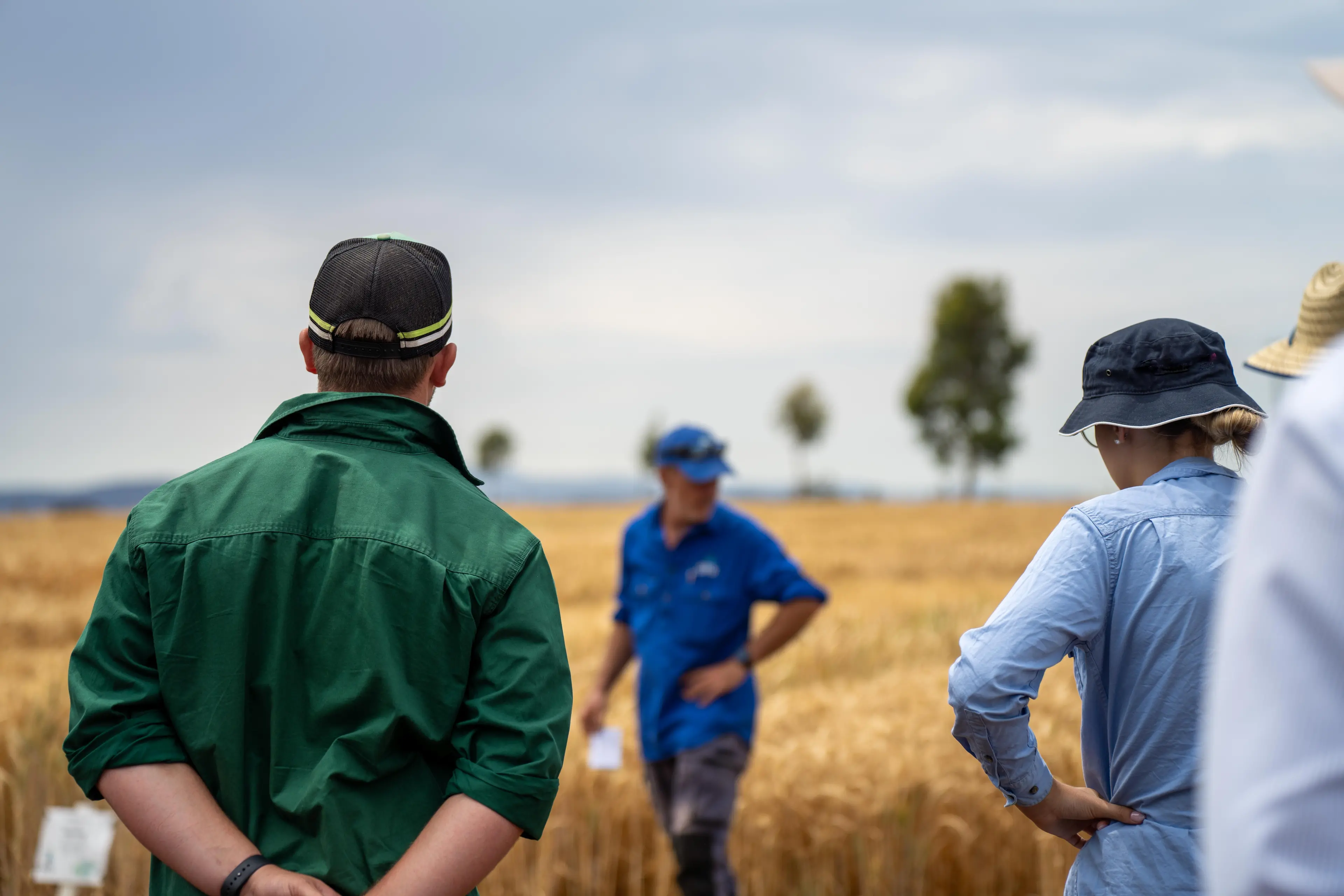
agricultural field day with a group of farmer growing wheat and barley cereal crops. learning about agriculture practices in australia
Men’s Health Week is a good reminder of something many families, partners and mates already know: when men are struggling, they don’t always say it out loud.
Across Australia, men continue to face significant mental health challenges.
Suicide remains one of the leading causes of death for men, particularly in rural and regional communities.
At the same time, many men report feeling isolated, under pressure and unsure where they fit; yet still don’t seek support.
One of the reasons is simple, but powerful: many men have been taught, directly or indirectly, that they should be tough, self-reliant and in control.
While these traits can be useful, they can also make it harder to recognise when something isn’t right and even harder to ask for help.
When people think of depression, they often picture someone who is withdrawn or visibly down.
But for many men distress shows up differently.
It can look like irritability or a short temper, increased anger or frustration, drinking more than usual, throwing themselves into work or training, taking more risks or “switching off” with distractions, pulling away from relationships or ongoing fatigue, stress, or burnout.
It’s not uncommon for a man to say he’s “fine” while everything around him suggests otherwise.
This mismatch, between what someone says and how they’re actually functioning, is often the clearest sign that something deeper is going on.
For many men, opening up can feel uncomfortable or even threatening.
Talking about stress, anxiety, or low mood may feel like losing control or admitting weakness.
Others worry about being judged, becoming a burden, or not knowing what to say.
In rural communities, these pressures can be even stronger.
Distance, limited services, work demands and concerns about privacy all add extra barriers.
As a result, many men delay seeking help until things are more severe or avoid it altogether.
The good news is that support doesn’t have to look one particular way.
Recent Australian research shows that many men are more likely to engage with mental health support when it is practical and straightforward, private and discreet, flexible around work and life commitments and accessible without long travel or waiting times.
This is where options like telehealth have made a meaningful difference, particularly for men in regional and rural areas.
Being able to speak to someone outside of their small communities, on their own terms, can make that first step feel far more manageable.
For some, it’s not about committing to ongoing therapy straight away, it’s about having an initial conversation, asking a few questions, and seeing if it feels useful.
If you’re concerned about yourself or someone in your life, it can help to ask a few simple questions:
- “Have things been building up more than usual lately?”
- “How are you actually going, not just on the surface?”
- “What do you usually do to deal with stress and is it still working?”
You don’t need to have the perfect words.
Often, starting the conversation is what matters most.
If you’re the one struggling, it’s worth knowing that support can be flexible, practical, and tailored to how you prefer to engage.
Men don’t always talk about distress but that doesn’t mean it isn’t there.
The earlier it’s recognised, the easier it is to do something about it.