
PHOTO
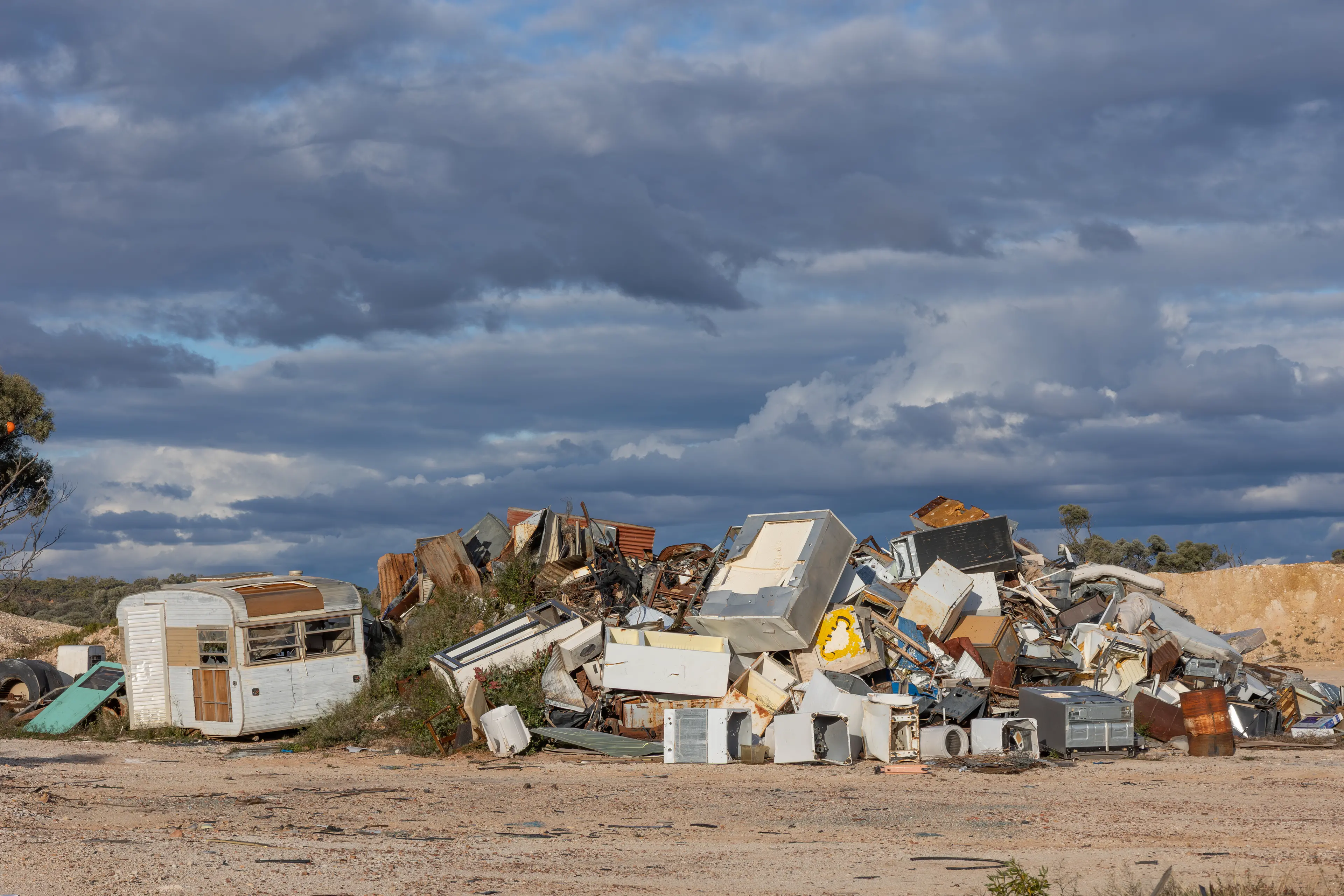
Weddin Shire Council has received a boost in its effort to address long-running issues at the closed Quandialla and Caragabal waste facilities, with the NSW Environment Protection Authority (EPA) supporting a remediation plan that could save millions of dollars.
Based on a report during July's council meeting, Council is progressing plans to encapsulate asbestos and waste materials on-site rather than excavating and transporting them elsewhere.
During discussion of the report Mayor Paul Best praised Director Environmental Services Luke Sheehan for working closely with the EPA to secure what he described as a practical and affordable outcome.
"The alternative was nearly $3.4 million worth of earthworks, removing the stuff off-site and taking it to another facility," Cr Best said.
"That's something Council couldn't afford to do."
The remediation plan follows years of work after asbestos contamination concerns led to the closure of the Quandialla and Caragabal facilities in 2023.
Initial EPA requirements would have involved removing thousands of cubic metres of asbestos-containing material at an estimated cost of more than $1.7 million per site.
Instead Council and its consultants developed an encapsulation approach, which has now received EPA support.
Mr Sheehan told councillors geotechnical investigations showed the Caragabal site was well suited for the proposed containment cell, while the Quandialla site presented some additional challenges.
"Caragabal came back as sort of optimal conditions," he said.
"Unfortunately Quandialla came back with less than optimal conditions."
Testing identified some sandy soils and possible buried waste in the proposed cell area at Quandialla.
Council is now seeking EPA approval for contingency measures, including possible adjustments to the cell design or location.
"We didn't want to go into it knowing there may be an issue and then if you hit it you've got to stop work and delay everything," Mr Sheehan said.
While remediation is progressing the future of the two sites remains uncertain.
Councillor Wezley Makin asked whether the facilities would be able to continue operating as waste disposal sites once remediation was complete.
Mr Sheehan said Council would need to continue discussions with the EPA about long-term options.
"It's getting harder and harder to have rural landfill sites," he said.
"A lot of councils have already gone to transfer stations."
He indicated future options could include transfer stations or alternative waste services, but said it was unlikely either site would simply continue operating as a traditional landfill.
The meeting also reviewed Council's rural domestic waste collection trial, introduced in November last year after the closure of the rural tip sites.
According to the report, 628 bins had been collected from 16 rural collection points by late June, with the service costing Council about $313 per month.
Council staff have recommended the free collection service continue while remediation works are underway.
Councillor Makin asked whether collection points that had recorded zero collections during the trial would be removed.
Mr Sheehan said they would remain.
"They're on the route that we take, so the idea was just to leave them there," he said.
"If there's bins there we'll pick them up. If there's not we'll drive past."
Councillor Colleen Gorman also raised concerns previously expressed by Quandialla residents, particularly those living on the edge of town who found it easier to use communal waste bins.
Mr Sheehan said one of the collection points was located directly opposite the existing bank of bins near the Quandialla Club and confirmed the communal bins had remained in place.
Council will now await further EPA advice on the Quandialla remediation contingencies before moving to the next phase of works, while the rural waste collection trial continues to provide an alternative disposal option for residents affected by the closure of the rural facilities.