
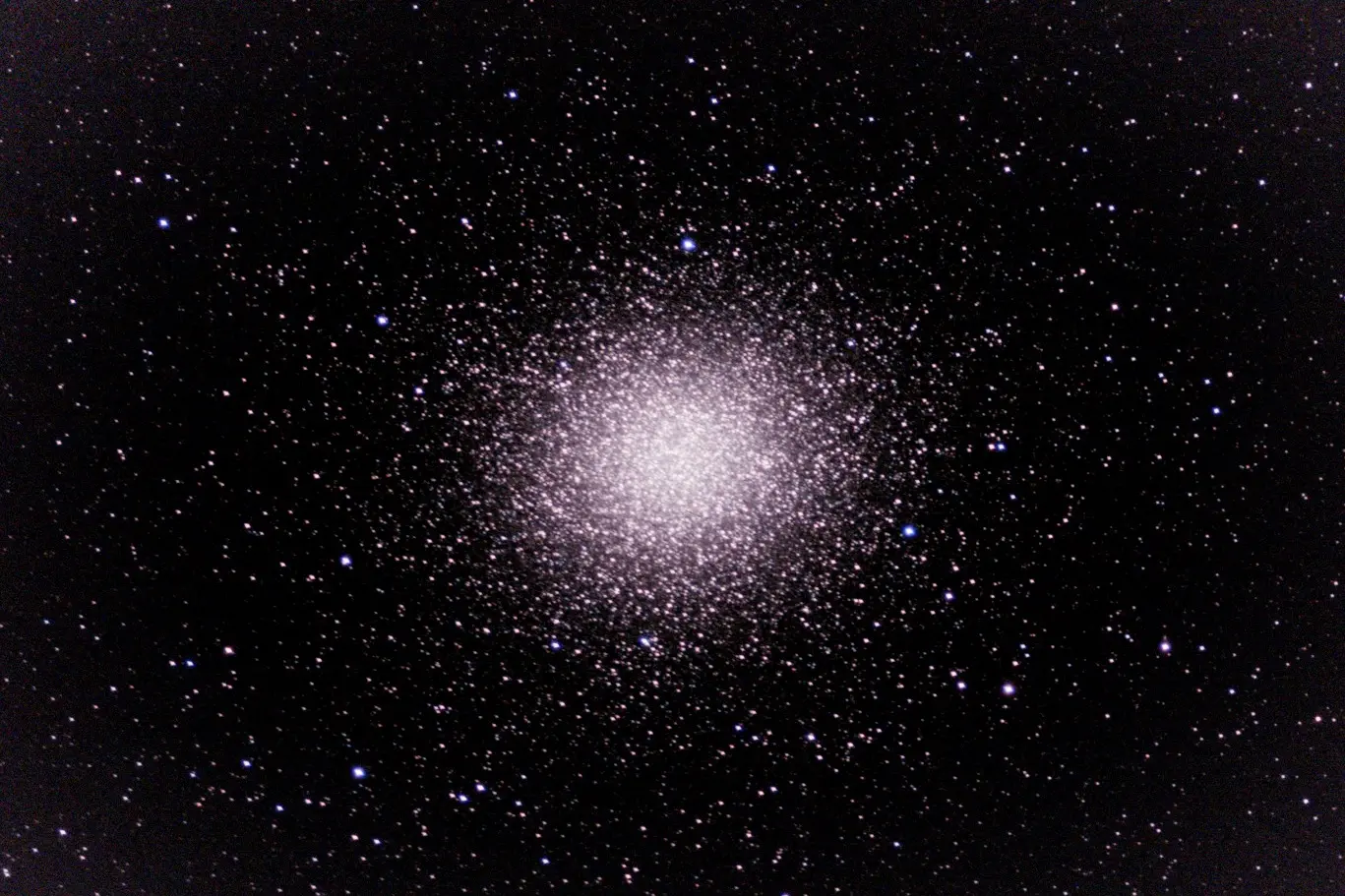
PHOTO
NGC5139 (191 exp)
CENTRAL WEST ASTRONOMICAL SOCIETY
If you ever come along to a stargazing night organised by the Parkes-based Central West Astronomical Society (CWAS), you will be able to see many of the amazing sights that has kept this amateur astronomer looking into the night sky for most of his lifetime.
Planets (including the amazing rings of Saturn), nebulae (huge clouds of gas that new stars are formed in) and galaxies of different shapes and sizes are just some of the amazing sights that you can see.
This week we look at groups of stars called clusters, within our own Milky Way galaxy.
Because of the intricate workings of gravity, the stars in our galaxy are not evenly spread out.
They group together into what astronomers call clusters; a little like lumps in porridge.
There are two main types of clusters: Open Clusters and Globular Clusters.
Open Clusters typically have no more than 20 or so relatively young, bright stars in them.
One of the most famous open clusters is the Pleiades (or Seven Sisters), easily seen in the northern sky during summer as a small saucepan or baseball cap.
Over thousands of years, people in ancient Greece, all over Australia, all over Africa and in other places around the world, looked into the night sky and were inspired to see “seven sisters”; not seven kangaroos, not seven giraffes, but seven sisters.
What is particularly remarkable about this is that these people were not only separated by many thousands of kilometres, but they were also sometimes separated by thousands of years.
In other words, they would have had no contact with each other and yet they were inspired to independently interpret patterns in the sky in the same way.
This suggests to this writer that in some ways all humans are connected to each other in the way we see the world, despite our different cultures.
As it happens, the Japanese refer to the Seven Sisters as Subaru.
Next time you have the opportunity to see the grille of a Subaru car, you will see the stylised star pattern of the Pleiades constellation.
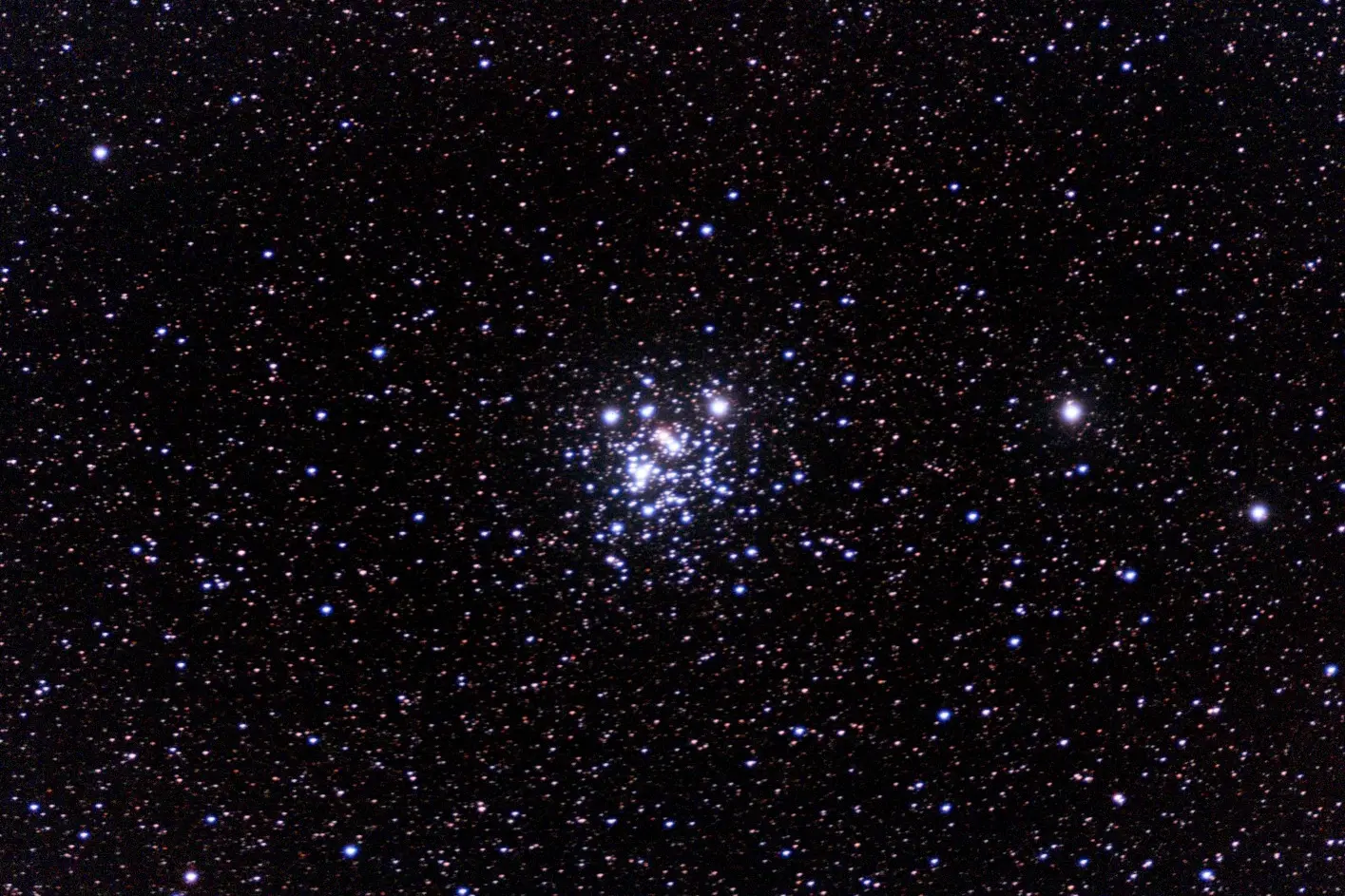
This amateur astronomer’s favourite open cluster happens to be the so-called Jewel Box.
Discovered by the English astronomer John Herschell in the early 1800s, it can be described as bright white diamonds spread over the black velvet of space, with a red ruby, a green emerald and a blue sapphire featured in its centre.
The other main type of cluster is the Globular Cluster.
As the name suggests, globular clusters are groupings (or lumps) of often hundreds of thousands of older stars that take a roughly spherical or globe-shaped formation.
Omega Centauri is this writer’s personal favourite globular cluster which also happens to be the most spectacular example observable from Earth.
However, there are many other examples to also be seen in the night sky.
If you would like to learn more about open clusters and globular clusters, and other objects in the night sky, you are welcome to come along to one of our monthly meetings.
The Central West Astronomical Society meets on the first Friday of each month (except January) in the Sunset Room, upstairs in the Parkes Services Club in Short Street in Parkes at 7.30pm.
Members of the public are always welcome and admission is free.