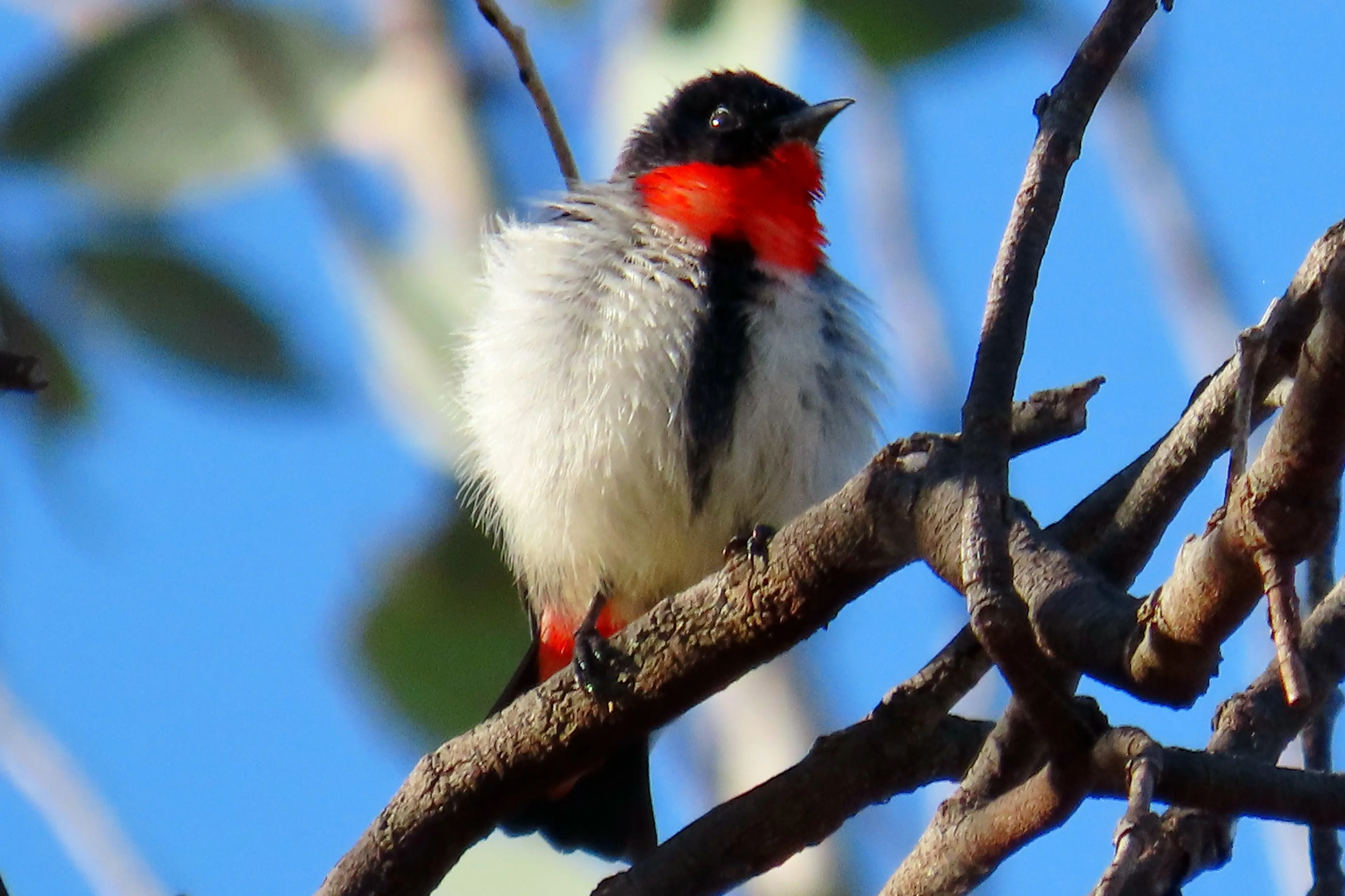
Grenfell's rich birdlife is the focus of renewed conservation efforts as H5 bird flu continues to spread among wild birds in NSW. For more than two decades Mikla Lewis has watched birds return to her property that was once largely made up of bare cropping paddocks. Today the property provides habitat for an impressive variety of native wildlife with 144 bird species recorded there over the years. "If you provide the right habitat for birds, they will come," Mikla said. From threatened Superb Parrots and Grey-crowned Babblers to robbins, wrens and waterbirds, the diversity is a reminder of what can happen when native habitat is protected and restored. For local bird photographer Jenn Graham, that diversity is something worth celebrating. Jenn, who grew up on a farm near Grenfell, has been photographing birds seriously for around 20 years, although her fascination with them began in childhood. "I've always been interested in birds ever since I was a child, being born here on a farm," she said. Her parents encouraged her interest in nature, while her husband's family were also passionate about birds. "Being farm kids, we spent most of our time outside, so we just observed what was going on," she said. Since retiring in 2019, Jenn has photographed 203 bird species around the district, working through the Weddin Shire Bird Trail brochure listing around 250 birds that are spotted around the shire. She has photographed a number of vulnerable and endangered species around the region, including diamond firetails and treecreepers, as well as the pink cockatoo and southern whiteface. She said the range of species found around Grenfell demonstrates how environmentally significant the area's remaining habitat is. But as H5 avian influenza continues to be detected in wild birds across NSW, there are new concerns for vulnerable bird populations. H5 bird flu poses a serious potential threat to native wildlife, particularly threatened species and small populations. While there have been no detections in commercial poultry flocks or captive birds anywhere in Australia, authorities are urging the community to remain vigilant and report unusual illness or deaths among wild birds. For local conservationists the response to bird flu is only one part of a much bigger effort to protect the region's birdlife. Great Egret, Pacific Black Duck, Little Pied Cormorant, Plumed Whistling-Ducks and Magpie Geese. What bird flu means for local wildlife The impact H5 bird flu could have on bird populations around Grenfell is difficult to predict. The virus has already been detected in wild birds in NSW and authorities are monitoring its movement through wildlife populations. According to the Department of Climate Change, Energy, the Environment and Water, the virus cannot be eradicated once it becomes established in wild bird populations. However early detection, surveillance, strong biosecurity and targeted responses can help slow its spread and reduce its impacts. Waterbirds are of particular concern with wild birds able to move the virus between different locations. Mikla said that while Grenfell does not have the large coastal waterways where many affected birds have been found the district's dams and wetlands still attract a range of native and migratory birds. "We don't have large bodies of water but we do get waterbirds around dams and they seem to be the most vulnerable," Mikla said. The potential threat reinforces the importance of monitoring the birds already living in the district. Juvenile Black-shouldered Kites. Creating habitat for the birds that need it For Mikla, conservation starts with creating the conditions birds need to survive. Since purchasing the property with her husband Wayne in 2002, the couple have undertaken extensive revegetation, direct seeding and habitat restoration. Thousands of native plants have been established across the property, while fallen timber has been retained and around 100 nest boxes installed for birds, microbats, gliders and other wildlife. The property is now largely protected through conservation agreements, ensuring the habitat created over the years will remain protected into the future. Mikla said providing nesting sites was just as important as providing food. “You can have all the food in the world here for the birds, but if they can't nest anywhere, then eventually they're going to die out,” she said. Old and dead trees are particularly valuable because they can contain hollows used by parrots, cockatoos, kookaburras and other species. Fallen timber also provides habitat for insects and reptiles, which in turn become food for birds. Plum-headed Finch. A home for threatened species The work on Mikla's property has created habitat for several vulnerable bird species. Among those recorded are the superb parrot, grey-crowned babbler and speckled warbler. Flame and scarlet robins have also been recorded, along with a range of other native species. The superb parrot is a regular visitor, with numbers increasing during spring. Mikla said the birds rely on a combination of food sources, nesting hollows and suitable vegetation. “They've got to have the right habitat,” she said. The grey-crowned babbler, for example, spends much of its time feeding on the ground, scratching through leaf litter and vegetation for food. The speckled warbler is another ground-nesting species that benefits from fallen branches and timber being left undisturbed. Rainbow Bee-eater. The importance of wattles One of the plants Mikla particularly advocates for local wildlife is wattle. The dense, prickly vegetation provides shelter and nesting habitat for smaller birds, including species that are under pressure from habitat loss. Mikla said some wattles planted around the property have become home to wrens and other small insect-eating birds. “Dense planting is really good for the little birds because it gives them plenty of hiding places,” she said. She also recommends planting species with more fern-like foliage, which can help provide habitat for smaller birds while being less attractive to larger aggressive species. Wattle also provides food for a variety of birds through its seeds and flowers. The importance of native plants is reflected in the work of the Weddin Community Native Nursery, which grows thousands of locally appropriate plants each year. The nursery supplies plants to landholders, Landcare groups, councils and other organisations carrying out revegetation projects. Diamond Firetail. Birdwatching brings visitors to Grenfell Jenn believes the district's birdlife represents an opportunity for tourism. She has been contacted by birdwatchers from overseas who have planned visits to Grenfell after seeing her photographs of local birds online. Visitors from Canada and the United States have travelled to the area specifically because they knew it was an important birding location. Canadian visitors stayed in Grenfell for two nights, while an American visitor stopped for several hours. "Birding tourism is economically very viable," she said. "It helps the whole town." She said birdwatching tourism could provide another reason for visitors to stop in Grenfell, particularly for people travelling through the region who are interested in nature. Brown Treecreeper. Controlling invasive birds Habitat restoration is only one part of the conservation picture. Native birds also face competition from introduced species, including Indian mynas and starlings, which compete for nesting hollows. Rainbow lorikeets can also create competition for nesting sites and food with other native parrots. Weddin Landcare is currently working on an Indian myna control project, with 85 birds trapped so far. Additional traps and an aviary trailer trap are being developed to expand the project, with residents able to register their interest in becoming involved. Reducing the pressure from invasive species can give native birds a better opportunity to use the habitat available to them. Pied Stilt. Conservation for the future Local conservation groups are continuing their work regardless of the threat posed by bird flu. Weddin Landcare, the Weddin Community Native Nursery, local landholders and other environmental groups are restoring habitat, controlling invasive species and encouraging the community to better understand the wildlife around them. NSW Government conservation programs, including Saving our Species, are also working to strengthen threatened populations by protecting habitat, controlling feral predators and weeds, monitoring populations and addressing other threats. These measures were not developed specifically for H5 bird flu, but they can help create healthier and more resilient wildlife populations. For Mikla, the transformation of her own property demonstrates the value of giving nature a chance. What began as largely bare farmland is now home to an extraordinary variety of wildlife. “We've got so many different animals,” she said. “It's a healthy habitat. If you've got a healthy habitat, you'll have a healthy bird population.” For Jenn, photographing more than 200 species has provided a similar lesson: there is far more wildlife around Grenfell than many people realise. She hopes her photographs can help residents see the value in protecting it. As H5 bird flu continues to be monitored across NSW, the message from local conservationists is that everyone can play a role in protecting wildlife. Whether it is planting native vegetation, retaining old trees, controlling invasive species, keeping cats indoors, recording bird sightings or reporting sick wildlife. For anyone who encounters a sick or dead wild bird, the most important action is to avoid, record and report. Contact the Emergency Animal Disease Hotline on 1800 675 888 and allow trained authorities to investigate. NSW has now recorded 32 H5 bird flu events according to the NSW Government. Five recent H5 bird flu events were all single bird detections confirmed in: Dee Why - greater crested tern Goulburn - greater crested tern Hawks Nest - greater crested tern Congo - white fronted tern Moruya - silver gull