
PHOTO
Each year on ANZAC Day, Greenthorpe induct a local service member onto the Greenthorpe Wall of Remembrance during their commemorative service.
Hosted by the Greenthorpe Soldiers Memorial Hall Committee, this year saw Charles Henry Fisher and Herbert Newman Fisher inducted onto the wall.
Charles and Herbert were Glenda Fisher's great grandfathers brothers and she has provided information on both servicemen.
Trooper Charles Henry Fisher
World War I
Service Number 2877
Charles Henry Fisher was born on 10 July 1879 in Blumberg, South Australia, the fourth son born to William McNaught Fisher and Mary Ann (nee Hudson).
He grew up in Black Rock with his six brothers and one sister where they spent thirteen years farming wheat and dairy cattle before drought forced them to leave.
After leaving South Australia, he and his brother David moved to Dubbo, where Charlie established a small farm of his own.
His parents and younger siblings joined him for several years before moving on to Greenethorpe and then finally Koorawatha where they bought ‘Bon-A-View’.
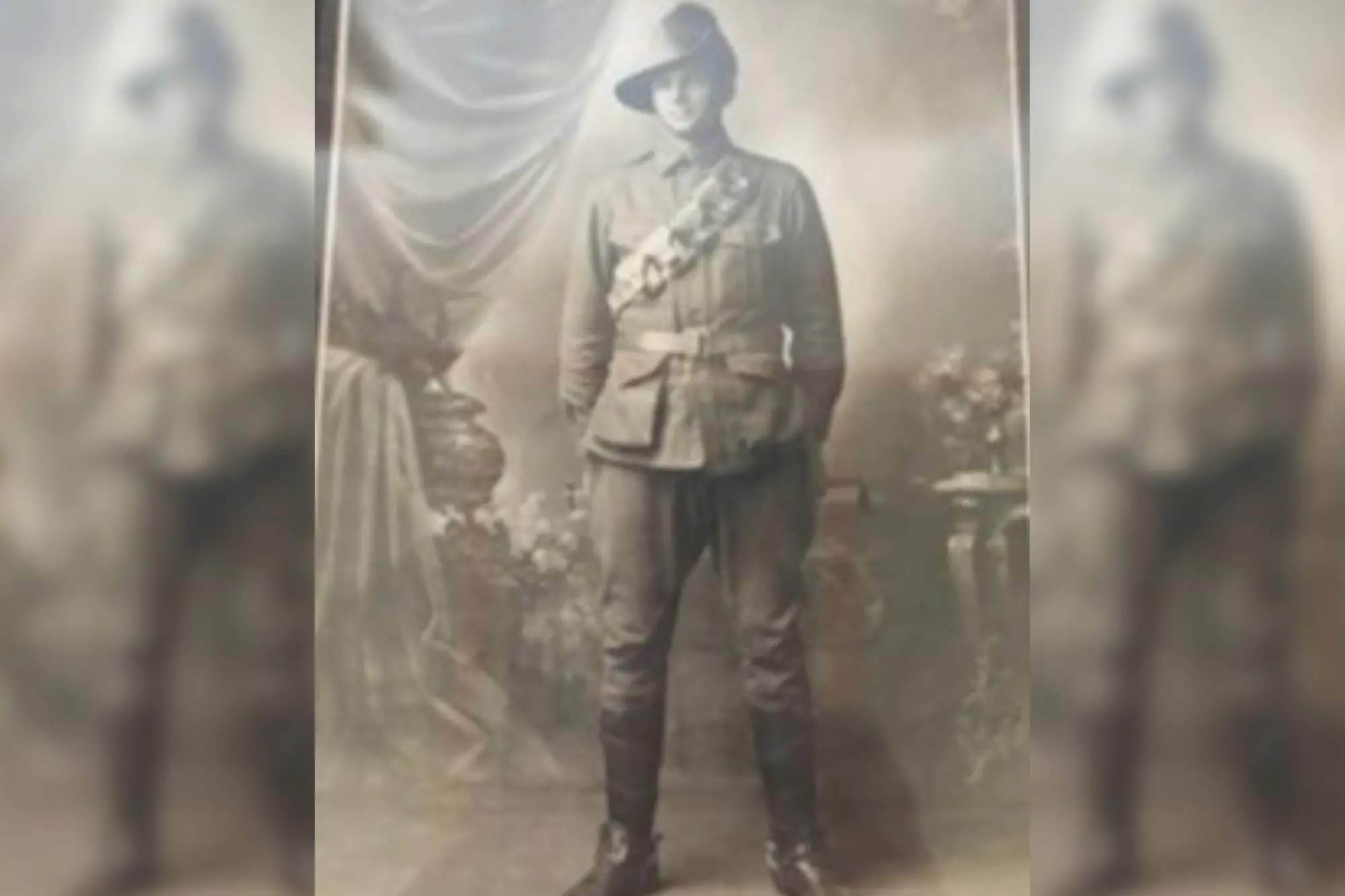
Charlie remained in Dubbo until around 1911, when he sold his farm and relocated to Goondiwindi, Queensland.
In Queensland he became a selector, leasing Crown Land for agricultural use.
Before the war he also served for five years in the Citizen Forces, with the Australian Light Horse although no surviving records confirm the details.
On 28 December 1915, at the age of 35, Charlie enlisted at Warwick, Queensland.
Tall, fair, and blue eyed, he began training at Enoggera Camp near Brisbane, where he received inoculations for smallpox and typhoid.
On 17 April 1916, he was transferred to Chermside, working with the hardy Australian Walers that would carry the Light Horse across the desert.
On 23 May 1916 his eldest brother John held a farewell at ‘Springvale’ and presented him with a cheque to buy field glasses or other useful equipment.
Charlie sailed from Sydney on 22 July 1916 aboard the RMS Malwa as part of the 20th reinforcements, arriving in Egypt and entering the Moascar Isolation Camp near Ismailia.
He was taken on strength to the 1st Light Horse Training Regiment on 26 September 1916.
Two months later, on 20 November he was transferred to the 2nd Light Horse Regiment, part of the ANZAC Mounted Division under the command of Lieutenant General Philip W Chetwode.
Through late 1916 he took part in patrols and operations across the Sinai, including the advance to El Arish and the Battle of Magdhaba, where more than a thousand prisoners were captured.
On 8 January 1917 the ANZAC Mounted Division marched toward Rafah, near the border of Egypt and Palestine.
The Battle of Rafah on 9 January was fought in open country with little cover, and the Light Horse came under heavy fire.
Despite early setbacks, the combined Australian and New Zealand forces eventually broke through the Turkish defences.
During the fighting, Charlie was struck by a gunshot to the back. He was brought in by the 3rd Light Horse Field Ambulance but was dead on arrival. He was 37 years old.
Charlie was buried near El Magruntein on 11 January 1917. His body was later reinterred twice, finally resting in the Kantara War Memorial Cemetery on the eastern bank of the Suez Canal.
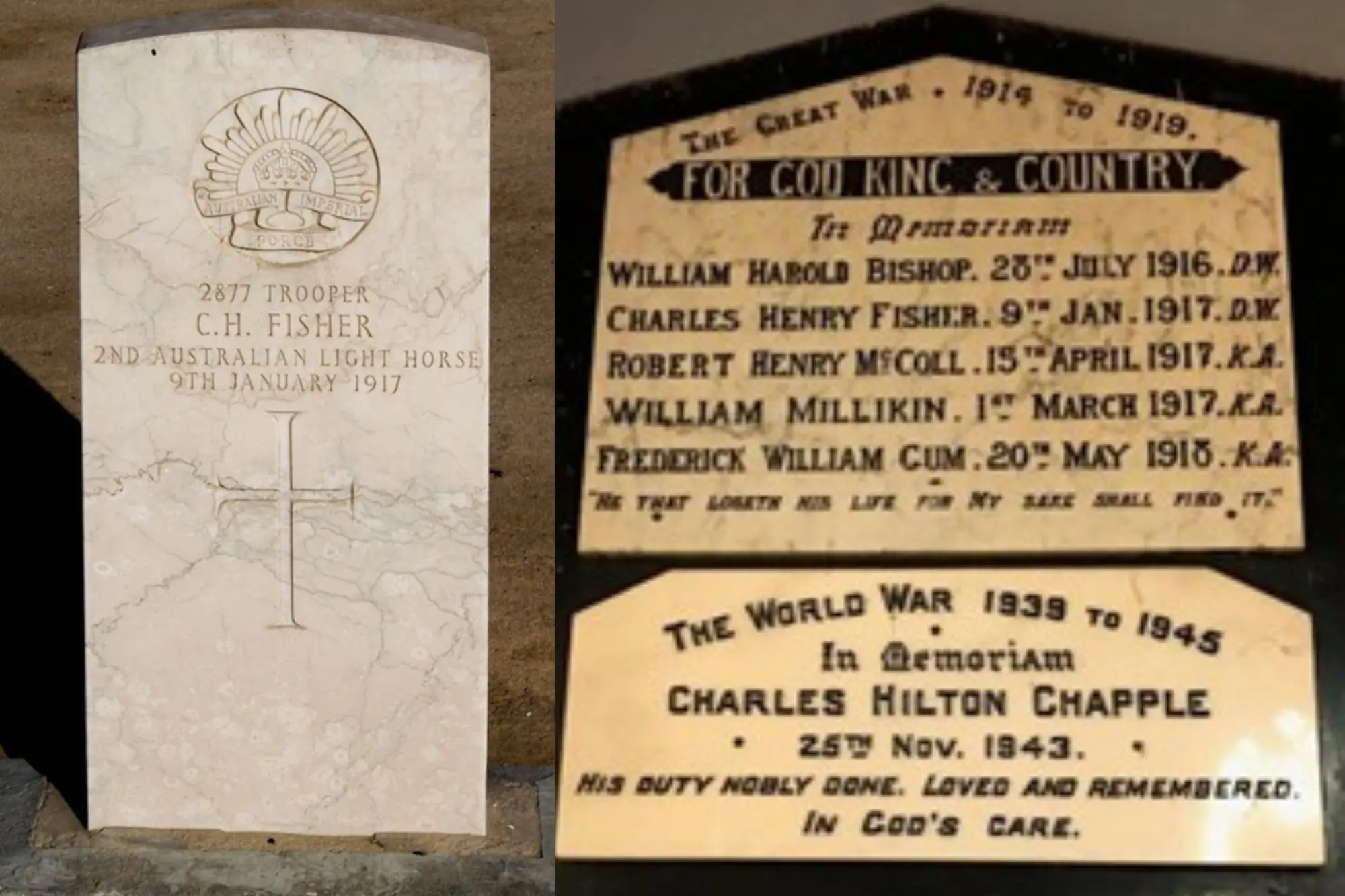
A memorial tablet honouring Charles and two other soldiers – William Harold Bishop and Robert Henry McColl was unveilled in the Greenthorpe Uniting Church on 21 April 1918.
Additional names were added in later years. His name appears on Panel 3 of the Australian War Memorial.
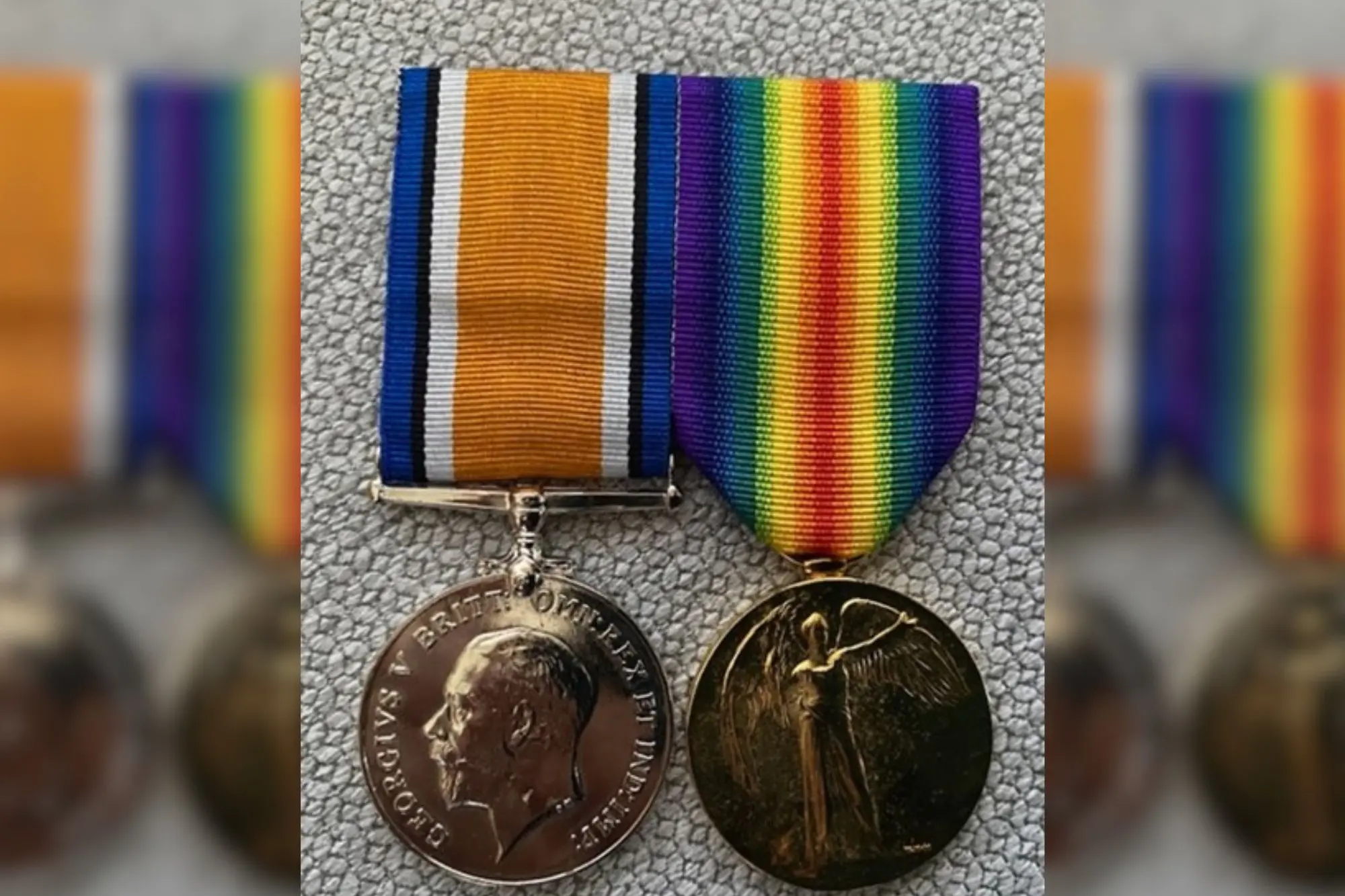
Charlie was awarded the British War Medal and Victory Medal, later received by his father.
Though the original medals are lost, replicas have been created by family members, ensuring his memory endures.
Sapper Herbert Newman Fisher
World War I
Service Number 20742
Herbert Newman Fisher was born 3 June 1889 in Forreston, South Australia.
He was the second youngest of eight children born to William McNaught Fisher and Mary Ann (nee Hudson).
He grew up in Black Rock, South Australia before relocating to Dubbo.
After further moves to Monteagle and “Kelvin Grove” on the Bumbaldry Road, they settled on their own property “Bon-A-View” at Koorawatha, building a house in 1912.
Herbert Fisher enlisted in the Australian Imperial Force on 30 June 1917 at Grenfell, New South Wales, aged 28.
Tall and lean, with a dark complexion and brown eyes, he began his military journey at Liverpool Camp in Sydney, the main training centre for new recruits.
There he learned drill, discipline, and the fundamentals of military equipment before being appointed Private on 26 July and placed in the 1st Depot Battalion.
On 17 September 1917, he transferred to the Engineers at Moore Park to train as a Sapper.
Engineers were essential to the AIF’s operations, constructing trenches, bridges, roads, communication lines, and defensive works.
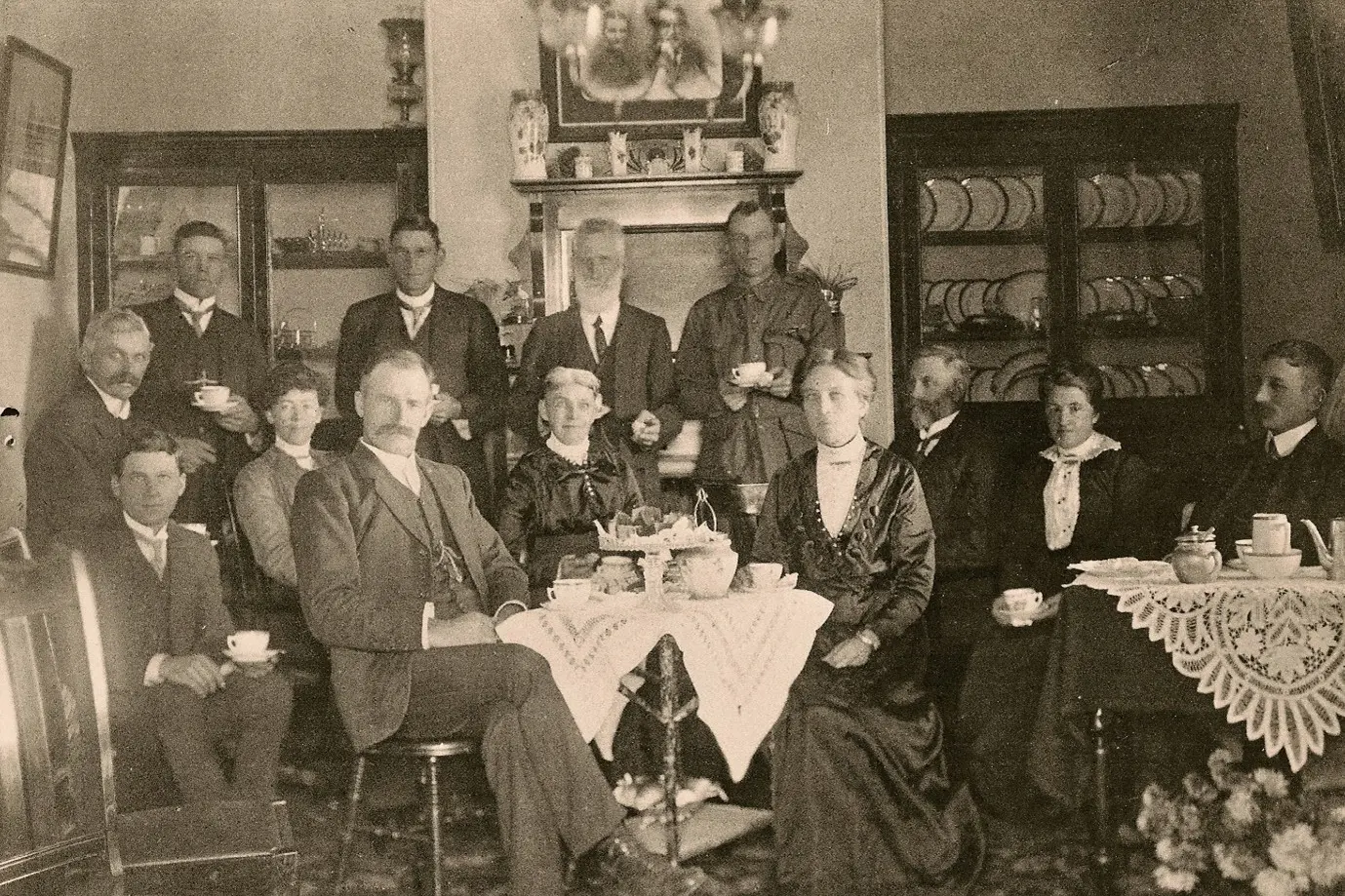
Before his departure, a farewell gathering was held at “Springvale,” the home of his eldest brother John and he was presented with a set of military brushes.
The occasion was bittersweet, coming only months after the death of his brother Charles in Egypt.
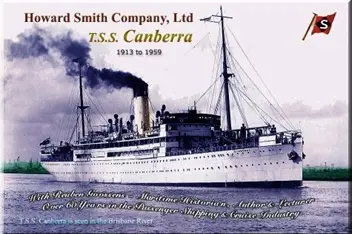
Herbert embarked from Sydney on 16 November 1917 aboard the H.M.T. Canberra on its maiden voyage, arriving in Suez on 21 December.
From there he travelled via Port Said, Taranto, and Southampton, reaching England on 30 January 1918.
He was first stationed at Parkhouse Camp on Salisbury Plain before being transferred on 9 March to the Australian Engineers Training Depot at Brightlingsea, Essex.
Training at Brightlingsea was intensive and wide ranging.
Sappers rotated through weekly schedules covering wiring, demolitions, mining, entrenching, bridging, gas warfare, map reading, and field sketching.
He also attended lectures to expand technical knowledge, and church on Sundays.
Sports days, cricket matches, boxing, and dances helped maintain morale.
Herbert, who had no trade, also trained as a driver, learning horse handling and vehicle skills.
On 13 August 1918, he sailed for France, arriving at Rouelles Base Depot in Normandy.
By 21 August he had joined the 4th Field Company, Australian Engineers.
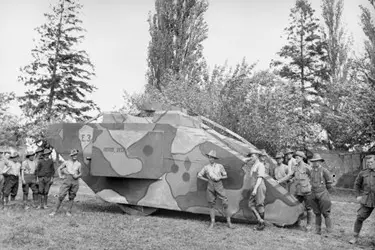
The company moved frequently, undertaking construction, repairs, and tactical deception work—including building wooden-framed dummy tanks to mislead the enemy forces in the attack on the Hindenburg Outpost Line.
After the Armistice, the AIF faced the enormous task of repatriating 135,000 troops.
While awaiting return, Herbert’s unit continued training, construction, and salvage work.
In early 1919 the company gradually demobilised, returning stores and consolidating ammunition.
Herbert left France on 19 March and returned to Parkhouse Camp.
Under the AIF Education Scheme, he undertook agricultural training at Green Farm, Suffolk, from March to June 1919.
On 10 August, he was granted twelve months of non military employment as part of the AIF Education Scheme.
He travelled to the United States on board the SS Celtic on 25 August 1919 to receive practical instruction in agriculture and pig raising.
He arrived in New York on 4 September 1919. This placement was to be six months.
After completing his placement, Herbert departed San Francisco on 20 March 1920 aboard the American mail steamer Sonoma and arrived back in Sydney on 2 April.
Herbert’s service was formally recognised through the awarding of the British War Medal and the Victory Medal.
Herbert had a few occupations after the war.
He worked as a Commercial Traveller selling insurance, sawmiller in Wyong, farmer and grazier in Gulgong and finally a builder at Epping.
He was at Greenethorpe frequently doing building projects on different family farms.
He married Ellenor Pearl Pollock on 28 January 1922 who tragically died after 11 weeks of marriage.
His second Marriage was to Marion MacDonald on 25 February 1928 and they had one daughter.
Herb died on 31 August 1967 at the age of 78.