

PHOTO
Running a business from regional Australia has always involved travel. What has changed is how rural entrepreneurs deal with it. Travel is no longer automatic; it’s planned with intent, measured against real outcomes, and often avoided unless it clearly adds value. Across towns like Grenfell and wider New South Wales, operators are reworking their approach. The goal is simple. Spend less time in transit and more time where decisions are made. That shift is showing up in how trips are booked, how often they happen, and what justifies getting on a plane in the first place.
Distance Hasn’t Changed, But Behaviour Has
Access to capital cities still matters. Deals are signed there, partnerships are built there, and certain conversations still happen best in person. However, the idea of travelling simply because “that’s how it’s always done” is fading.
Some operators who once flew monthly now travel only when a deal is close to final. Others push initial conversations online and only commit to travel once there is something concrete on the table. The behaviour has shifted from routine to selective, and that change is deliberate.
The Real Cost Is Time Away From Operations
A return trip from Grenfell to Sydney might look simple on paper, but in practice, it’s rarely efficient. There’s the drive to the airport, waiting time, potential delays, and often an overnight stay. That can remove a business owner from their operation for up to two days.
For someone managing livestock, machinery, or a small team, that absence has consequences. Decisions are delayed, problems take longer to resolve, and many any now view travel as a direct interruption to productivity, not just a line item expense.
One Trip, Multiple Outcomes
In some cases, alternatives to commercial travel are getting more attention. Options like private jet charter are being considered when timing is tight or when multiple people need to travel together. While not suitable for every trip, the ability to fly direct and control scheduling is appealing in time-sensitive situations. This flexibility can also reduce overnight stays, minimise delays, and allow travellers to visit multiple destinations within a shorter timeframe without the constraints of fixed airline routes and schedules.
Some Meetings Don’t Require Travel Anymore
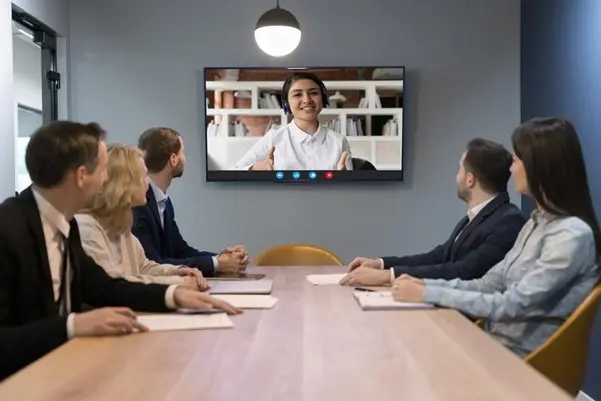
Video calls have removed a layer of friction. What used to require a flight can now be handled in an hour from the office. This applies especially to early-stage discussions, routine updates, and follow-ups that don’t require physical presence.
That doesn’t mean travel is obsolete, but rather that it’s being reserved for moments that genuinely benefit from face-to-face interaction, while saving time and energy where possible. Entrepreneurs are becoming more disciplined about drawing that line.
Travel Is Tied More Closely to Operations
Trips are now planned around operational needs: A business owner might travel when equipment is being inspected, contracts are ready to sign, or shipments are being coordinated. Outside of those moments, travel is often postponed. This approach reduces unnecessary disruption and ensures that when travel does happen, it directly supports something tangible within the business.
A Different Mindset From Younger Operators
Younger rural entrepreneurs are influencing this shift. Many are more comfortable running negotiations remotely and are quicker to challenge the need for physical presence. They rely on digital tools, structured communication, and tighter planning.
This mindset is spreading, with even more traditional operators adopting similar habits, especially when they see the time and cost savings involved. It also encourages clearer decision-making processes, more defined objectives for each interaction, and a stronger focus on measurable outcomes rather than time spent travelling or attending in-person meetings.
Cost Pressure Is Forcing Better Decisions
Rising input costs have made every expense more visible. Fuel, labour, and financing are all under pressure, and travel is being assessed in the same way. It’s no longer treated as a fixed cost of doing business. Entrepreneurs are asking direct questions, such as, “What does this trip deliver?” and, “Could the same outcome be achieved another way?” If the answer isn’t clear, the trip often doesn’t happen. This approach is helping businesses prioritise higher-value opportunities and eliminate routine travel that no longer justifies its cost.
Travel Is Now a Deliberate Decision
Travel hasn’t disappeared from rural business, but has become more controlled. Fewer trips, better planning, and clearer outcomes are now the standard. Distance will always be part of operating in regional Australia; what’s changing is how seriously it’s managed. Rural entrepreneurs are no longer adapting to distance; they’re working around it with intent. This shift is likely to continue as technology improves and cost pressures remain, reinforcing a more disciplined approach to movement, where every journey is evaluated, justified, and aligned with broader business priorities and long-term efficiency.